Why Preschool Is a Critical Stage for Confidence Building

Why Preschool Is a Critical Stage for Confidence Building

A child’s confidence does not appear overnight. It grows through small successes, supportive relationships, and daily opportunities to try something new. The preschool years create one of the most important windows for shaping how children see themselves and what they believe they can accomplish. During this stage, children form early impressions about their abilities, their social value, and their place in the world. When educators intentionally focus on confidence-building in preschool, they help children develop self-esteem that supports learning, friendships, and long-term success.
Preschool offers more than early academics. It provides a structured yet nurturing environment where children learn to trust their skills, take healthy risks, and recover from setbacks. These early experiences influence how children approach challenges in kindergarten and beyond.
The Early Years Shape Self-Perception
Young children constantly interpret feedback from the adults and peers around them. When a teacher smiles and says, “You worked really hard on that,” a child begins to connect effort with success. When a classmate invites them to play, they feel valued and included. Over time, these moments shape a child’s internal dialogue.
Effective confidence-building in preschool focuses on reinforcing effort rather than perfection. Teachers celebrate progress, persistence, and participation. This approach teaches children that mistakes are part of learning. Instead of fearing failure, children begin to see challenges as opportunities to grow.
Research in early childhood development consistently shows that children who develop strong self-esteem during the preschool years demonstrate higher resilience, better emotional regulation, and stronger academic engagement later in life. Preschool classrooms create the ideal environment to foster those outcomes through guided experiences and intentional encouragement.
Encouragement Builds a Growth Mindset
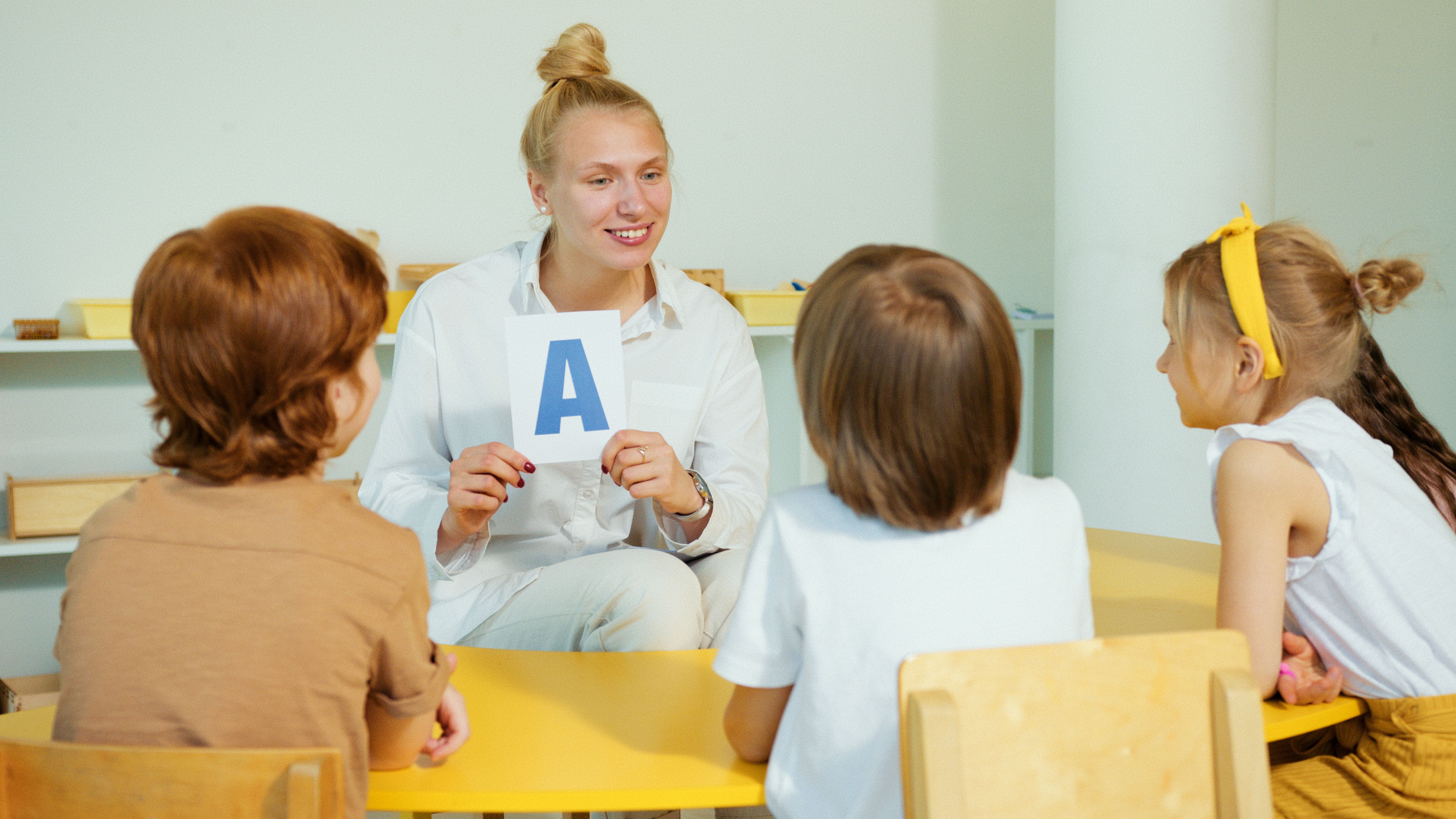
Confidence grows when children feel safe enough to try. Preschool teachers understand that young learners need reassurance while they experiment with new skills. Whether a child attempts to write their name, climb a structure on the playground, or speak in front of a group, supportive adults guide them through the experience.
When educators model phrases like “You can try again” or “I’m proud of your effort,” they promote a growth mindset. Children begin to understand that ability develops through practice. This foundation strengthens confidence-building in preschool because it shifts focus from “I can’t do this” to “I can learn this.”
Encouragement also helps children regulate frustration. Instead of giving up quickly, confident children pause, problem-solve, and continue. That perseverance becomes a key trait in academic success.
Social Experiences Strengthen Self-Worth
Confidence does not develop in isolation. Preschool classrooms introduce children to social environments where they practice cooperation, communication, and empathy. Through group activities, children learn that their voice matters. They answer questions during circle time, share ideas during storytelling, and collaborate during art projects. These interactions reinforce confidence-building in preschool because children see themselves as contributors to a community. When peers listen to them or respond positively, they feel valued. That sense of belonging strengthens self-esteem and emotional security.
Teachers play a vital role in guiding these interactions. They gently support children who feel shy and encourage participation without pressure. Over time, even reserved children begin to volunteer answers or initiate conversations. Those small steps create powerful growth.
Independence Creates Lasting Confidence
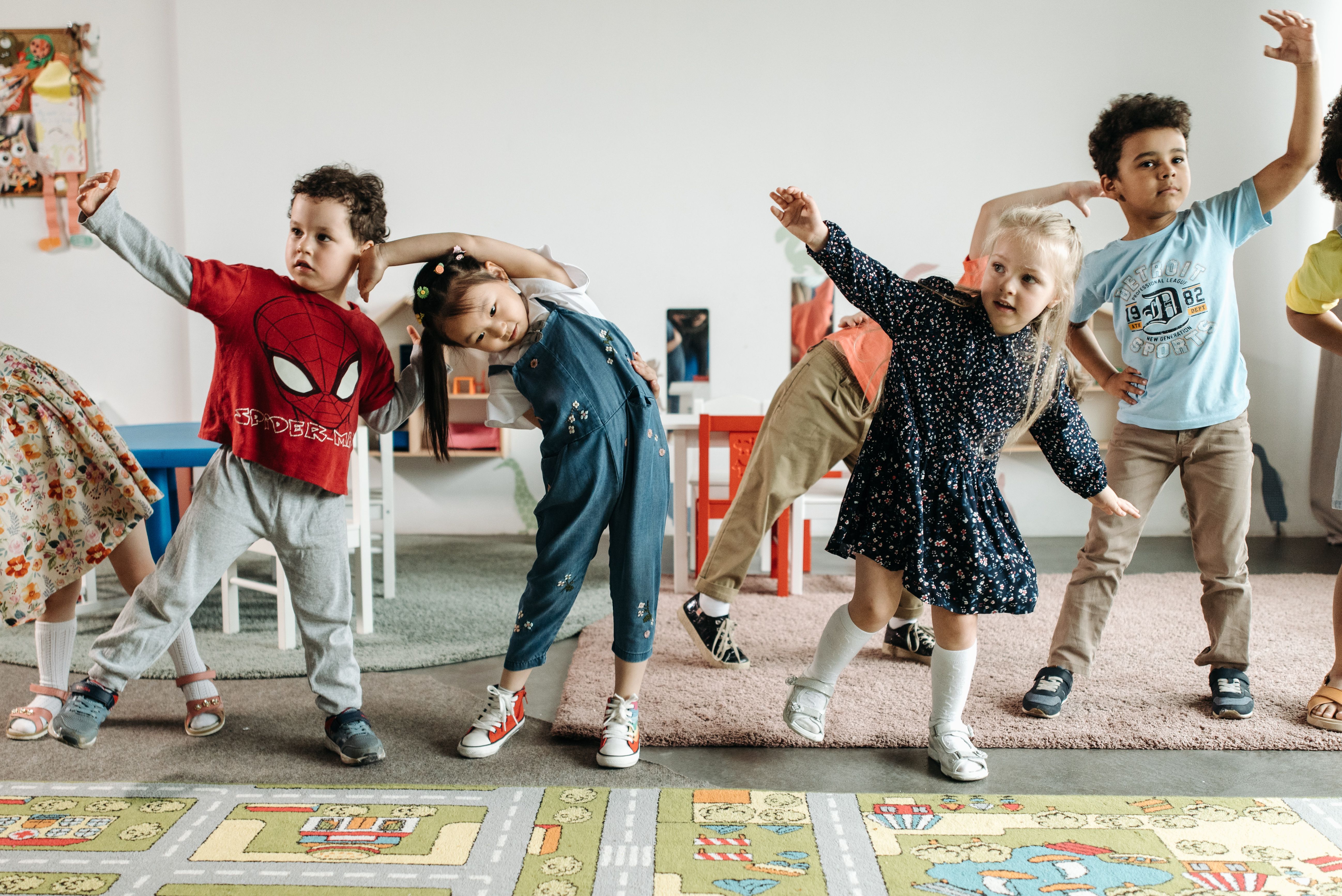
One of the most impactful aspects of preschool involves fostering independence. Simple responsibilities such as putting away toys, choosing activities, or serving snacks empower children to take ownership of their environment. When children complete tasks on their own, they experience pride.
Structured routines support confidence-building in preschool because they allow children to predict what happens next. Predictability creates security, and security creates the courage to explore. Children who understand daily expectations feel more capable and less anxious.
Teachers gradually increase responsibility as children demonstrate readiness. This steady progression builds competence without overwhelming them. Each success reinforces the message: “I can do this.”
Positive Reinforcement Shapes Behavior and Self-Esteem
Positive reinforcement does more than manage classroom behavior. It directly impacts how children view themselves. When educators highlight kind actions, cooperation, and effort, children begin to associate positive traits with their identity.
Instead of focusing solely on correcting mistakes, teachers emphasize strengths. A child who shares crayons hears, “You were thoughtful.” A child who waits patiently hears, “You showed great self-control.” These affirmations strengthen confidence-building in preschool by connecting character traits with praise.
Consistent positive reinforcement builds intrinsic motivation. Children begin to act responsibly because they feel good about themselves, not just because they want external rewards. That internal motivation sustains confidence over time.
Safe Spaces Encourage Risk-Taking
Confidence thrives in environments where children feel safe to explore. Preschool classrooms intentionally create spaces where experimentation is encouraged. Whether children paint creatively, build elaborate block structures, or act out stories during pretend play, they engage in trial and error without fear of judgment.
This freedom directly supports confidence-building in preschool. When children take risks and see that mistakes do not result in embarrassment, they grow braver. They try more complex tasks, ask more questions, and participate more actively.
Teachers guide these experiences thoughtfully. They offer support without taking over. This balance allows children to solve problems independently while knowing help remains available.
Emotional Development Supports Self-Belief
Confidence connects closely with emotional regulation. Children who can identify and manage their feelings feel more in control. Preschool programs integrate social-emotional learning into daily routines, teaching children how to express frustration, resolve conflicts, and seek help appropriately.
By supporting emotional awareness, educators strengthen confidence-building in preschool. Children learn that strong emotions are manageable. Instead of feeling overwhelmed, they develop coping skills. Emotional competence increases their willingness to engage in group learning and new experiences.
Classroom discussions about feelings, role-playing activities, and guided conversations after conflicts all contribute to this growth. These practices help children build emotional resilience alongside academic readiness.
Academic Exploration Reinforces Capability
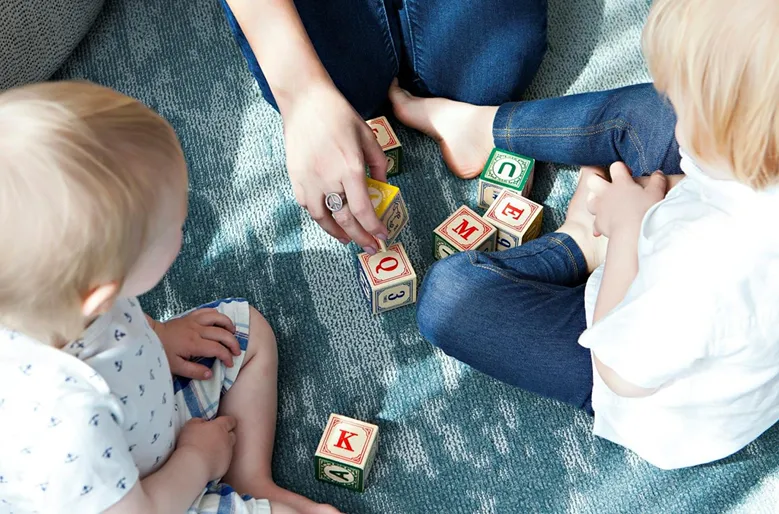
Preschool introduces foundational academic concepts in literacy, math, and problem-solving. However, the approach remains hands-on and interactive. Children explore letters through songs, count objects during play, and investigate science concepts outdoors.
Each mastered skill contributes to confidence-building in preschool. When children recognize letters or complete a puzzle independently, they feel capable. Teachers intentionally scaffold lessons, so children experience manageable challenges rather than frustration.
Success in early academics shapes how children approach kindergarten. Confident preschoolers enter elementary classrooms believing they can learn and succeed.
Strong Teacher Relationships Make a Difference
Trusting relationships form the backbone of preschool confidence. Children who feel seen and understood develop stronger self-worth. Educators who greet children warmly, listen attentively, and respond with patience create secure attachments.
These connections strengthen confidence-building in preschool because children feel emotionally safe. They know adults believe in them. That belief encourages children to believe in themselves.
Consistent communication with families also reinforces this process. When parents and teachers collaborate, children receive aligned encouragement at home and school. This continuity amplifies positive reinforcement and supports steady growth.
Confidence Extends Beyond the Classroom
The benefits of preschool confidence reach far beyond early childhood. Children who develop self-assurance during these formative years often show greater leadership skills, adaptability, and perseverance in later academic settings.
Early confidence-building in preschool sets the tone for lifelong learning. Confident children ask questions, seek solutions, and embrace challenges. They approach social interactions with greater ease and recover more quickly from setbacks.
Preschool may last only a few years, but its influence lasts much longer.
Building Confident Learners at Magic Kingdom Learning Center
At Magic Kingdom Learning Center, educators intentionally prioritize confidence-building in preschool through encouragement, structured independence, social-emotional guidance, and hands-on exploration. Every classroom activity supports growth not just academically, but emotionally and socially.
Children receive daily opportunities to succeed, try again, collaborate with peers, and celebrate their efforts. Teachers create nurturing environments where children feel valued, capable, and excited to learn.
If you want your child to develop strong self-esteem, resilience, and a love of learning, Magic Kingdom Learning Center provides the foundation. Schedule a tour today and discover how our preschool programs help children build confidence that lasts a lifetime.
