
The Science Behind Why Kids Ask “Why?”

The Science Behind Why Kids Ask “Why?”

Every parent and teacher has experienced it: a child asks one question after another until your answers start running out. But those constant “whys” aren’t a sign of defiance or mischief; they’re a hallmark of growing intelligence. From around age two, children begin to question the world because they’re building mental maps. Each “why” is a small experiment, a way for the brain to link cause and effect, predict outcomes, and test assumptions. Psychologists explain that when a child asks “why,” they aren’t just seeking facts; they’re trying to make sense of how people and things connect. This process builds reasoning, empathy, and emotional awareness — essential skills for both academic and social success.
The Brain Science of Curiosity
Behind every “why” is a powerful network in the brain. Research in cognitive neuroscience shows that curiosity in children activates the same dopamine-reward system involved in motivation and pleasure.
When curiosity is triggered, the hippocampus (the brain’s memory center) becomes more active, helping children retain new information longer. In other words, when a child wants to know something, their brain physically makes it easier to learn and remember it.
This explains why curiosity-driven learning outperforms rote memorization. Whether it’s discovering why the sky is blue or how plants grow, information learned during states of curiosity is encoded more deeply and remembered more vividly.

The Social Side of Questioning
Curiosity isn’t just cognitive, it’s social. As children’s language and emotional intelligence develop, they use questions to connect with others and test understanding.
By asking “why,” children learn that other people have different knowledge and perspectives. This “theory of mind” helps them build empathy and cooperation. Educators often observe that students who ask more questions tend to communicate better, negotiate conflicts more effectively, and display higher emotional maturity.
So the next time a child in your Harlingen classroom or home floods you with questions, remember: they’re practicing not just logic, but social reasoning and self-expression.
Why It Can Feel Overwhelming (and How to Manage It)
Of course, a barrage of questions can exhaust even the most patient caregiver. Children’s curiosity can seem endless — but there’s a reason. Their brains are wired to explore multiple pathways at once, and repetition helps reinforce new concepts.
Instead of feeling pressured to answer every question perfectly, try these educator-approved strategies:
1. Answer briefly, then turn the question around. Give simple, age-appropriate explanations, and then ask, “What do you think?” This keeps the conversation interactive and empowers children to think critically.
2. Encourage exploration over explanation. Show rather than tell. If a child asks why leaves fall, collect some leaves and observe their shapes or colors.
3. Keep curiosity alive with mystery. Research shows, children stay engaged longer when some uncertainty remains. Instead of closing a conversation with a full answer, end with a new question to explore next time.
4. Validate effort, not accuracy. Praise their observation and thinking skills rather than just correct answers — this builds intrinsic motivation.
How Educators Can Nurture Curiosity
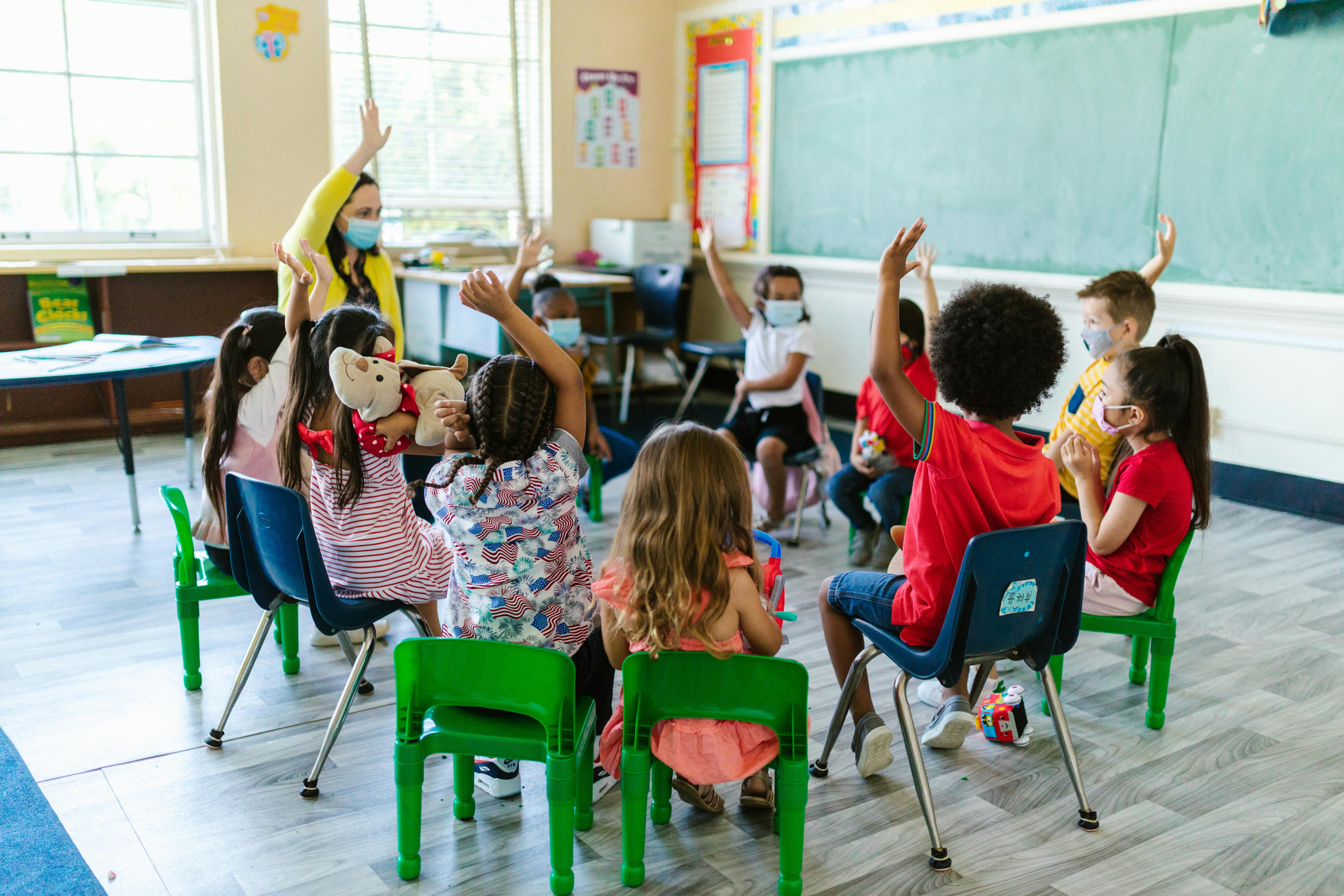
In early childhood education, curiosity in children forms the foundation of lifelong learning. Skilled educators and caregivers can cultivate this trait by designing environments that reward exploration, independence, and discovery. Here’s how:
● Create “wonder zones.” Designate areas in the classroom or at home where children can freely explore sensory materials, books, or nature objects.
● Host mini “why” sessions. Dedicate a few minutes daily where each child asks one question, and the group brainstorms possible answers.
● Model curiosity. Children mirror adult behavior. When they see teachers or parents express fascination with new ideas, they learn that curiosity is valued.
● Integrate real-world experiences. In Harlingen, exploring local parks, community gardens, or simple neighborhood walks can spark discussions about nature, science, and social life.
By turning curiosity into a shared journey rather than a chore, adults help children strengthen attention spans, resilience, and confidence.

Protecting the “Curious Self”
Over time, children exposed to rigid or overly corrective environments may lose their natural drive to question. Educators emphasize the importance of protecting what researchers call the “curious self.”
Encouraging independent thinking, allowing space for mistakes, and valuing questions as much as answers teach children that learning is an adventure, not a test.
When children feel safe to wonder, they develop a mindset that embraces challenge and uncertainty — skills essential for problem-solving far beyond childhood.
Discover Programs That Celebrate Curiosity
At our learning centers located across Harlingen, TX, at Morgan Boulevard, Ball Street, and Throckmorton Street, we welcome children from infancy through school age with programs tailored to every stage of development.
Our age-specific classrooms, including infant, toddler, preschool, pre-kindergarten, and before/after-school care, follow evidence-based curricula designed to foster exploration, creativity, and confidence. Children learn through play, sensory discovery, and guided questioning, all within nurturing environments that balance structure and freedom.
At Magic Kingdom Learning Center in Harlingen, we offer safe facilities with attentive staff, parent-friendly schedules, nutritious meals, and a warm “home-away-from-home” atmosphere. We encourage parents to visit our campuses, meet our dedicated educators, and experience how our programs turn everyday curiosity into lifelong learning.
Stop by one of our Harlingen locations, call, or register online today to start your child’s journey toward confident, joyful learning.
