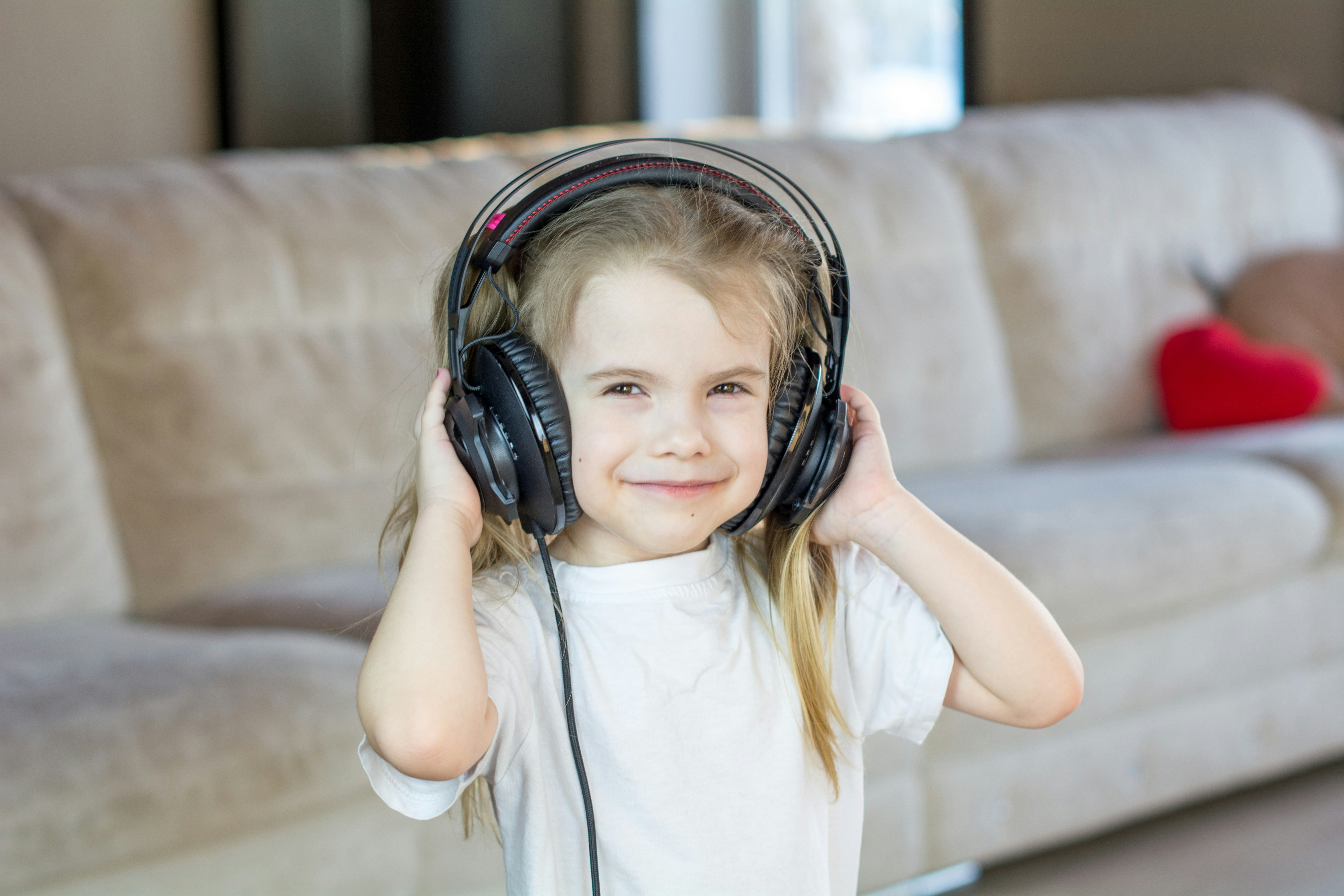
Music and Movement: The Rhythm of Early Learning

Music and Movement:
The Rhythm of Early Learning
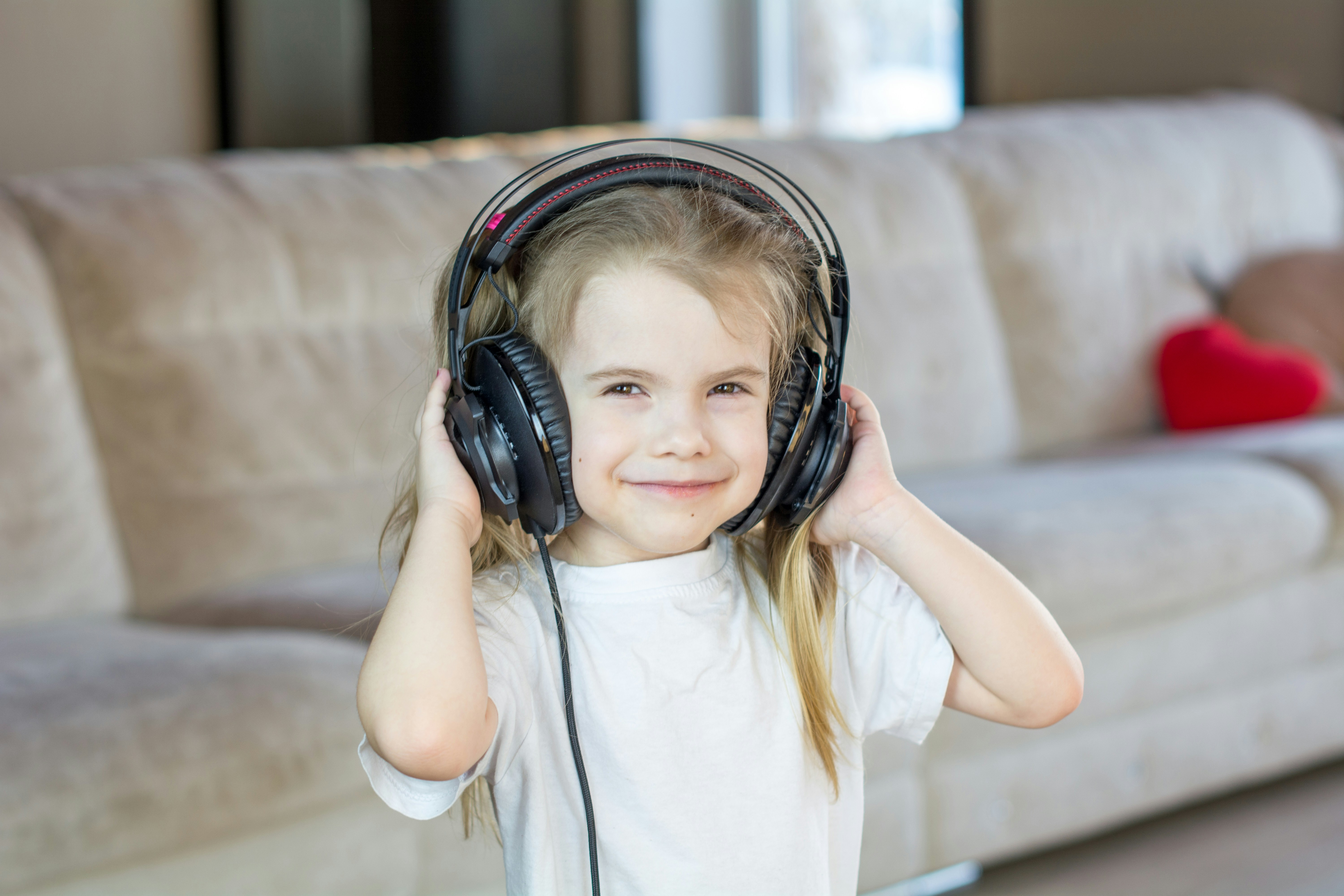
The first time a preschooler claps to the beat of a familiar song or twirls to a favorite tune, something magical happens — the brain lights up. Beneath the giggles and dance moves, a remarkable symphony of learning unfolds. Music activities for preschoolers aren’t just a way to pass the time; they build language, strengthen coordination, and nurture emotional expression. In classrooms filled with rhythm and motion, learning becomes a dance — and every beat counts.
The Science Behind the Music
It’s no coincidence that children are naturally drawn to rhythm. From a baby’s heartbeat heard in the womb to a toddler’s instinct to tap along to a drum, humans are wired for music. Studies from the University of Southern California’s Brain and Creativity Institute have shown that early exposure to music accelerates brain development, particularly in the areas of language acquisition and reading skills.
For preschoolers, rhythm and melody stimulate both hemispheres of the brain simultaneously — the logical left side processes patterns and counting, while the creative right side interprets melody and emotion. This dual engagement makes music one of the most effective — and joyful — ways to develop cognitive and emotional skills at once.
Moving to Learn: Why Rhythm Matters
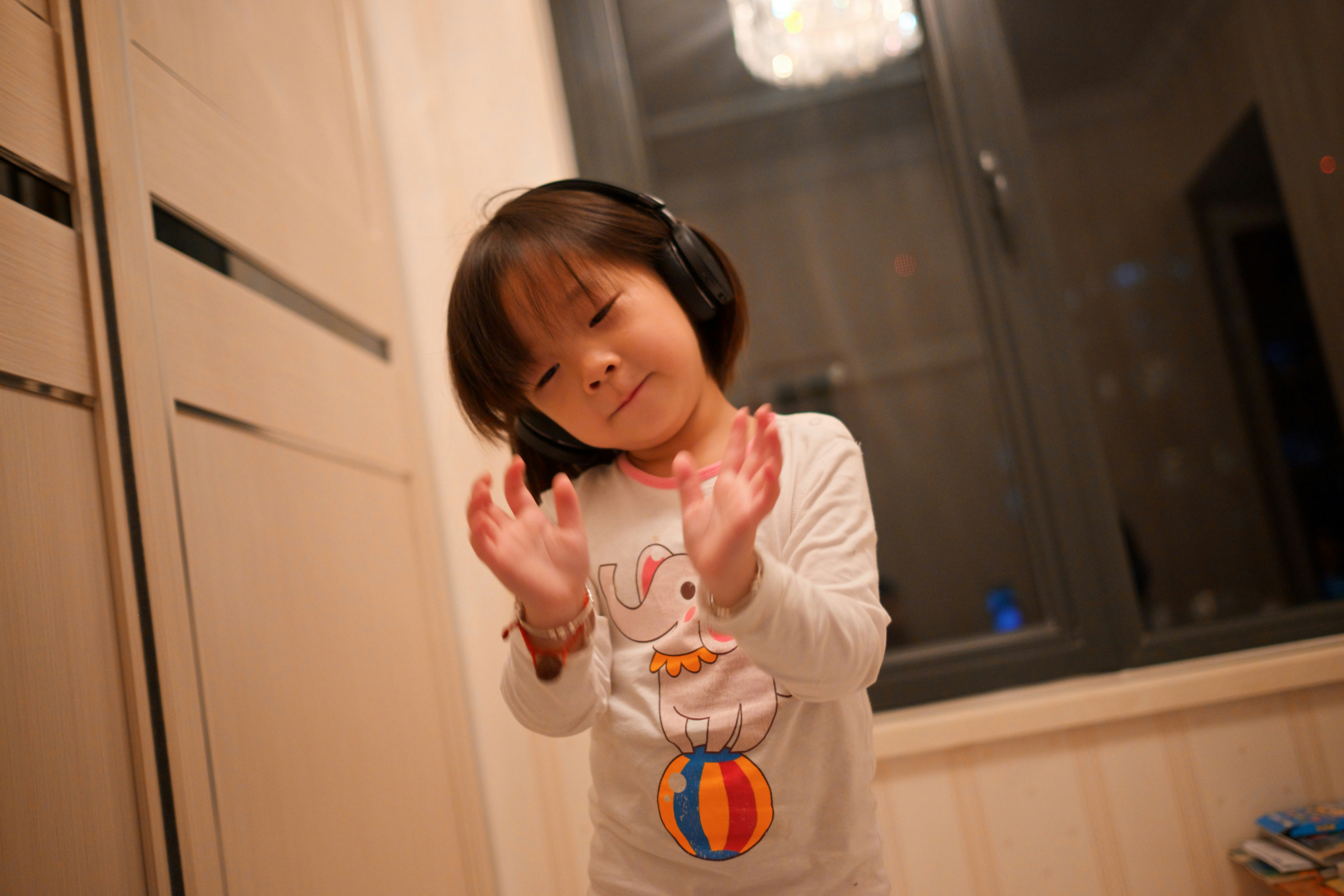
When children move to music, they’re not just having fun; they’re learning how to connect sound and motion in meaningful ways. Movement-based music activities strengthen gross motor skills — such as balance, coordination, and spatial awareness — while refining fine motor control through actions like finger plays or instrument handling.
Think of a simple song like “Head, Shoulders, Knees, and Toes.” Every verse combines memory, sequencing, and body awareness. As preschoolers anticipate each movement, they learn cause and effect, rhythm recognition, and self-regulation. Music transforms what could be a static learning moment into an embodied experience — one they’ll remember long after the song ends.
At Magic Kingdom Learning Center, these moments are part of everyday learning. Teachers integrate rhythm and movement into playtime, storytime, and transitions, helping children build confidence while strengthening their connection between body and mind.
Music and Language: A Harmonious Connection
Language development thrives in musical settings. The rhythm of a song mimics the cadence of speech, while repetition of lyrics enhances vocabulary retention. When preschoolers sing along to songs like “The Wheels on the Bus,” they aren’t just entertaining themselves — they’re practicing sentence structure, pronunciation, and storytelling.
Phonological awareness — the ability to hear and manipulate sounds in words — is one of the strongest predictors of reading success. Through music activities for preschoolers, children sharpen this skill naturally. Each rhyme, syllable, and pitch change helps them detect patterns in language. Even for bilingual or multilingual learners, music bridges understanding.
The melody provides context clues and emotional tone, allowing children to grasp meaning even before they fully comprehend the words. This builds confidence and encourages expressive communication across languages.
Emotional Growth Through Music
Music is a language of emotion — one that children understand instinctively. A soft lullaby can calm a restless child, while a lively drumbeat sparks joy and energy. When preschoolers sing, dance, or play instruments, they explore feelings safely and creatively.
Incorporating music into the classroom gives children tools for emotional regulation. A child who struggles to verbalize frustration might stomp rhythmically to express it; another might find comfort in humming a favorite tune. By encouraging these outlets, educators help children identify, label, and manage their emotions — essential skills for social development.
At Magic Kingdom Learning Center, teachers often observe how group music sessions foster empathy and cooperation. As children take turns, listen to others’ rhythms, and blend their voices in song, they learn respect, patience, and teamwork — lessons that extend well beyond the classroom.
The Role of Dance and Movement in Cognitive Development
Beyond joy, dance plays a powerful cognitive role. Coordinating body movements with rhythm activates the cerebellum — the part of the brain responsible for balance, attention, and timing. As preschoolers follow dance instructions, they practice sequencing, pattern recognition, and working memory.
Dance also enhances self-awareness and creativity. When children are encouraged to “move like a butterfly” or “stomp like an elephant,” they translate abstract ideas into physical form. This blend of imagination and movement strengthens neural connections and builds problem-solving skills in ways traditional learning often can’t.
The beauty of music activities for preschoolers lies in their flexibility. A single song can evolve into a counting exercise, a science lesson about sound, or a group story built around rhythm and motion. This versatility allows teachers to weave music seamlessly into every subject area — making learning both playful and purposeful.
Home Harmony: Bringing Music Into Everyday Life
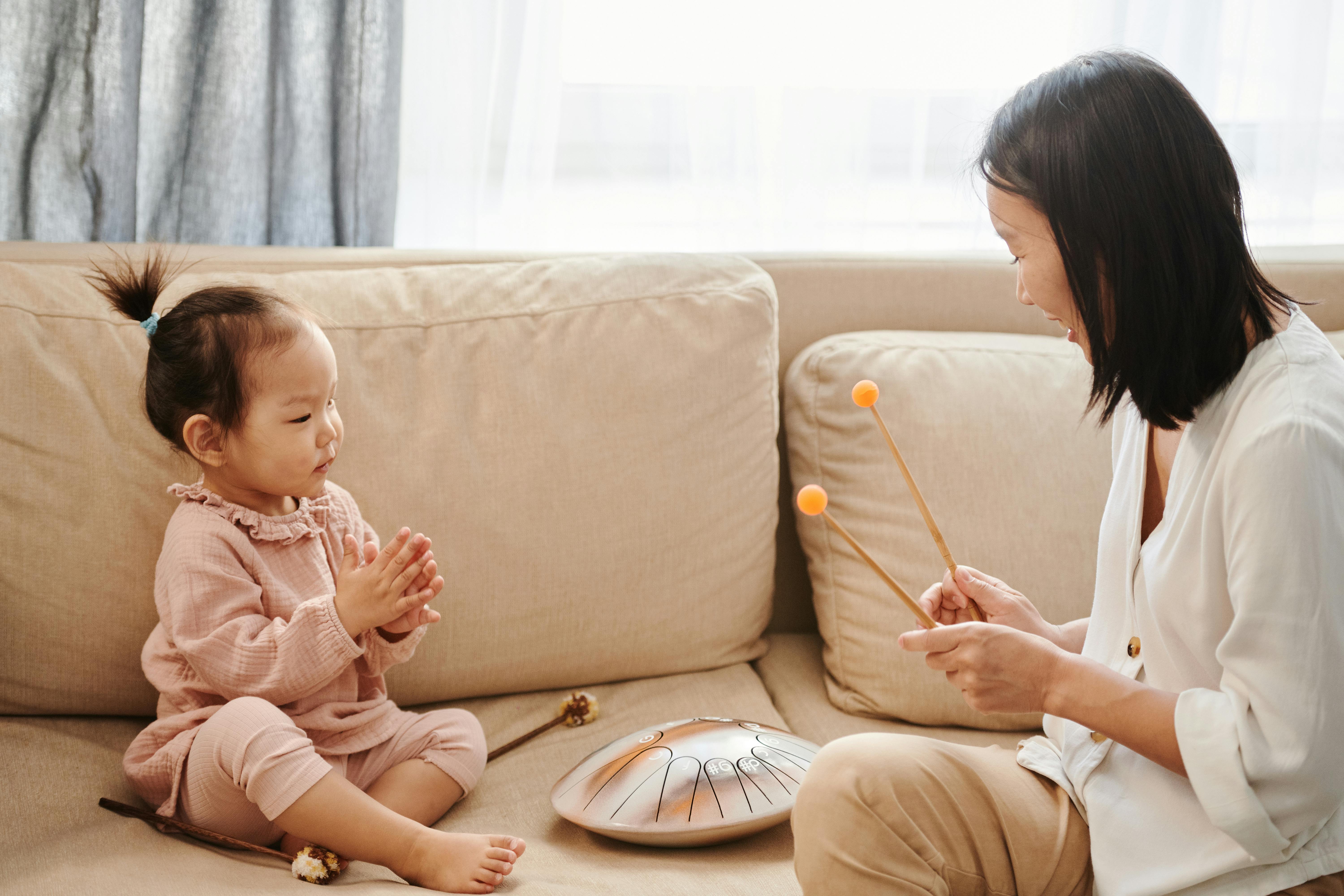
Parents often underestimate how simple it can be to nurture musical growth at home. Singing during daily routines — like brushing teeth, cleaning up, or getting dressed — transforms ordinary tasks into joyful learning moments. Clapping to the rhythm of a song or dancing in the living room promotes coordination and connection.
Even listening counts. Diverse musical exposure — from classical to world rhythms — broadens a child’s auditory range and appreciation for culture. You don’t need fancy instruments either; household items like pots, spoons, or paper plates can turn into a rhythm band. The key is engagement, not perfection.
By keeping music a regular part of home life, parents reinforce what children learn in the classroom. It becomes a shared language of love, creativity, and growth.
Why Music Belongs in Every Early Learning Program
Music education isn’t a luxury — it’s a necessity for holistic child development. Programs that incorporate daily musical experiences see measurable benefits in literacy readiness, emotional regulation, and social bonding. For preschoolers, who learn best through play, music activities for preschoolers are a natural way to absorb complex concepts through repetition and joy.
At Magic Kingdom Learning Center, this philosophy comes alive through intentional integration of sound and movement. Classrooms echo with songs that teach counting, instruments that spark curiosity, and dances that inspire imagination. Every rhythm, every melody, and every giggle contributes to the foundation of lifelong learning.
Music teaches preschoolers that learning isn’t confined to a desk — it’s in their bodies, voices, and hearts. When they move to the rhythm of a song, they’re also moving closer to understanding the rhythm of learning itself.
The Lasting Beat
As children grow, the songs they learn in early childhood remain with them — not just as melodies, but as markers of confidence, creativity, and connection. Music becomes a thread woven through their emotional and intellectual development, reminding them that learning can be both structured and spontaneous, disciplined and delightful.
At its core, music education celebrates the joy of discovery. Whether through clapping, singing, or dancing, preschoolers who experience music daily are building skills that extend far beyond the classroom walls. They’re learning how to think, feel, and connect — one beat at a time.
At Magic Kingdom Learning Center, every child learns to grow, play, and express through the power of rhythm and movement. Come see how our music-based learning approach nurtures young minds while keeping every day joyful and full of discovery. Visit us today to explore enrollment options and let your little one find their rhythm in learning.
