Teaching Patience and Turn Taking in Preschool Classrooms

Teaching Patience and Turn Taking in Preschool Classrooms

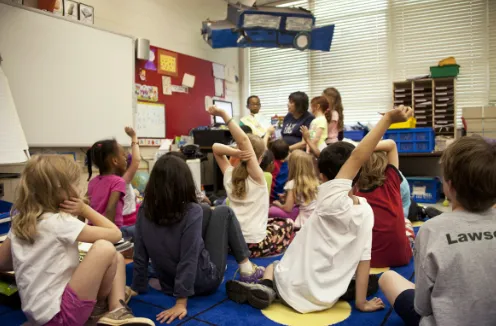
In every preschool classroom , small moments shape big lessons. A child waits for a turn on the slide. Another listens quietly during circle time. Two friends share a set of blocks and negotiate who goes first. These everyday experiences may seem simple, but they build critical social skills that prepare children for kindergarten and beyond.
Learning patience and turn taking in preschool is not automatic. Young children naturally want immediate results. They want the toy now, the answer now, the attention now. Preschool provides a structured, supportive environment where children learn how to pause, wait, and respect others’ turns. These skills form the foundation for group learning and positive peer relationships.
At Magic Kingdom Learning Center, teachers intentionally guide these lesson fil led moments, knowing that patience and cooperation are just as important as academic readiness.
Why Patience Matters in Early Childhood
Patience helps children manage impulses and regulate emotions. When children learn to wait calmly rather than react with frustration, they build self control. This ability directly supports focus and learning in classroom settings.
In group environments, children must wait for instructions, listen to classmates, and take turns participating. Without patience, classroom routines become overwhelming. Developing patience and turn taking in preschool ensures children can function confidently within structured learning environments.
Teachers introduce patience gradually, recognizing that it grows through consistent practice and encouragement.

Turn-Taking Builds Social Awareness
Turn-taking teaches children that they are part of a community. They begin to understand that everyone deserve s a chance to participate. This realization fosters fairness, empathy, and cooperation.
When children take turns during games or discussions, they practice listening and observing. They learn to wait for cues and respect boundaries. These skills help child ren transition smoothly into kindergarten, where group participation becomes more structured.
Preschool classrooms create daily opportunities for turn taking, from sharing art supplies to speaking during circle time.

Guided Activities Encourage Cooperation
Teachers use structured activities to reinforce patience and turn taking in preschool . Board games, storytelling sessions, and collaborative art projects naturally require children to wait and participate sequentially.
During these activities, educators model positive behaviors. They praise children for waiting calmly and gently remind them when they interrupt. This guidance helps children internalize expectations over time.
Group activities also allow children to see the benefits of cooperation. They realize that when everyone takes turns, the activity runs smoothly and feels enjoyable.
Learning to Listen While Waiting
Waiting does not mean doing nothing. In preschool, children learn to listen actively while others speak. This practice strengthens comprehension and attention skills.
Teachers encourage children to focus on classmates’ contributions, ask questions, and respond thoughtfully. These habits build stronger communication skills and foster respectful dialogue.
Developing patience and turn taking in preschool supports active listening, which becomes essential in elementary classrooms.

Managing Frustration During Waiting
Waiting can feel challenging for young children. They may feel excitement, impatience, or frustration when their turn do es not come immediately. Preschool offers a safe environment to navigate these feelings.
Teachers help children identify emotions and use coping strategies such as deep breathing or counting. Children gradually learn that waiting does not mean losing; it s imply means sharing space and opportunity.
This emotional regulation strengthens resilience and confidence. Children begin to trust that their turn will come.
By modeling patience and curiosity themselves, educators show children that learning never stops. They demonstrate that asking questions is a strength, not a weakness.
Building Fairness Through Play
Play provides countless opportunities to practice turn taking natu rally. Whether children are building with blocks, playing pretend, or using outdoor equipment, they negotiate roles and wait for participation.
Teachers observe these interactions closely, stepping in when necessary to reinforce fairness. They encourage children to communicate clearly and respect agreements.
Through consistent practice, children learn that fairness creates harmony. They recognize that taking turns allows everyone to feel included.
Preparing Children for Structured Classrooms
Kindergarten classrooms operate on schedules and routines. Children must wait in line, raise their hands before speaking, and share materials with peers. Preschool prepares children for these expectations gradually.
By developing patience and turn taking i n preschool , children enter kindergarten with greater confidence. They understand group dynamics and feel comfortable participating respectfully.
Parents often notice that children who practice patience early adapt more easily to new environments and class room structures.
Encouraging Empathy and Perspective Taking
Turn-taking also supports empathy. When children wait for their turn, they observe others and begin to understand different perspectives. They see how classmates feel when speaking or participating.
Teachers encourage discussions about feelings during shared activities. Children learn that everyone experiences excitement and anticipation. This awareness deepens social understanding.
Magic Kingdom Learning Center emphasizes empathy as a key component of social development.
Consistency Creates Lasting Habits
Patience develops through repetition. Preschool classrooms reinforce turn taking throughout the day. Children practice during snack time, story time, outdoor play, and collaborative projects.
Consistency helps children internalize expectations. They begin to wait without reminders and respect others’ turns naturally. These habits carry into future academic settings.
Supporting Families at Home
Preschool educators often encourage families to practice patience at home as well. Simple routines like waiting to speak at the dinner table or taking turns during games reinforce classroom lessons.
When children experience consistent expectations across environments, they develop stronger self regulation skills. This partnership between home and school strengthens learning outcomes.
Long-Term Benefits of Patience and Turn Taking
Children who develop patience early tend to show stronger academic performance and healthier peer relationships. They approach tasks thoughtfully and cooperate effectively with classmates.
Strong patience and turn taking in preschool contribute to better listening skills, improved focus, and reduced conflict. These qualities support lifelong learning and personal growth.
The Role of Teachers in Modeling Behavior
Teachers play a critical role in demonstrating patience. They wait attentively while children speak, respond calmly during challenges, and model respectful communication.
Children learn by watching adults. When educators consistently model patience, children mirror those behaviors in their own interactions.
At Magic Kingdom Learning Center, experienced teachers use evidence based strategies to nurture cooperation and self regulation.
If you want your child to enter kindergarten confident, cooperative, and ready to thrive in structured classrooms, visit Magic Kingdom Learning Center to learn how our programs nurture patience, respect, and lifelong social growth.
