Outdoor Learning Adventures: Turning Nature into a Classroom

Outdoor Learning Adventures: Turning Nature into a Classroom
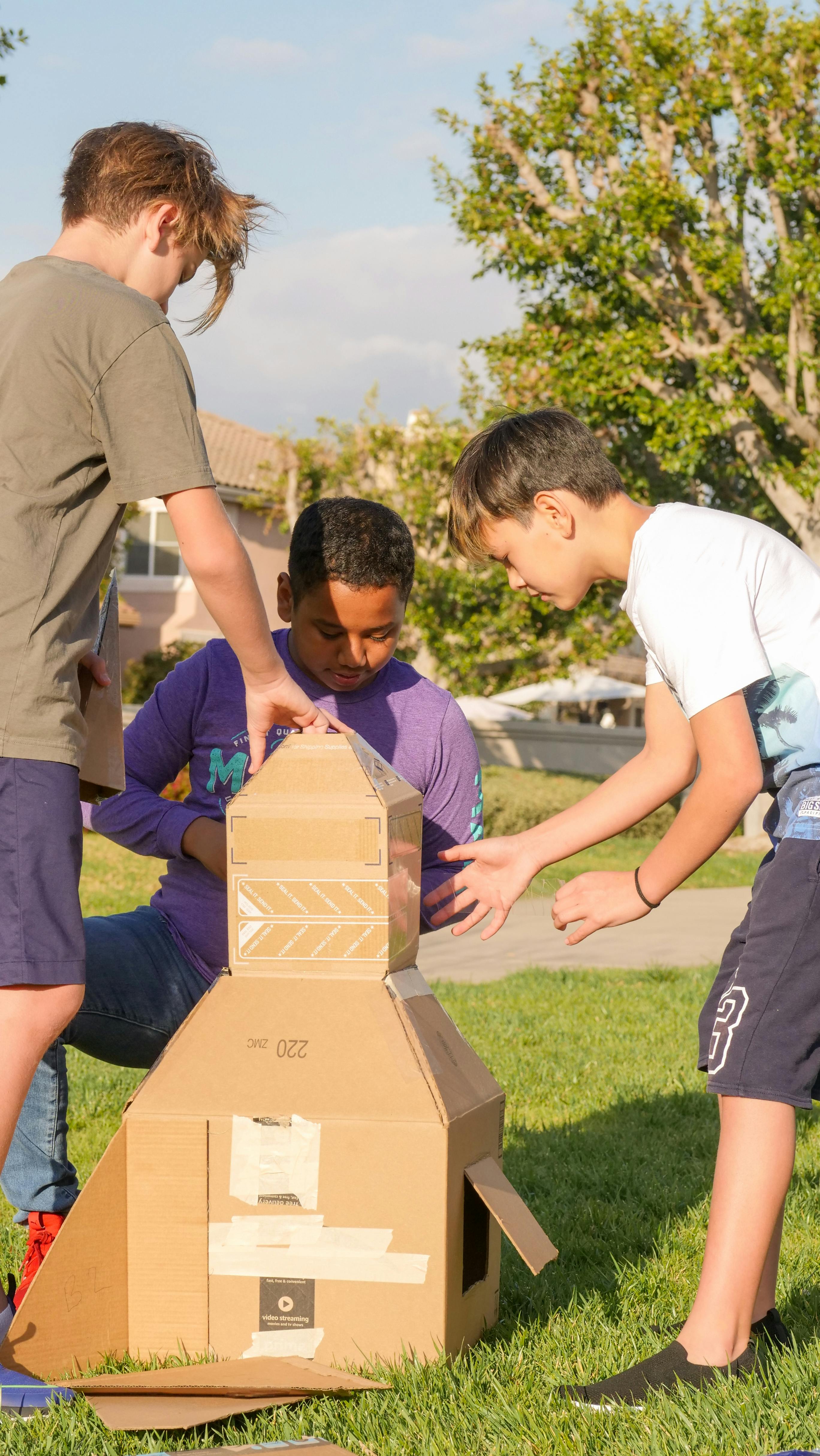
Children are naturally curious, and the world outside is a rich classroom. Outdoor learning for kids isn’t just play; it’s an opportunity to explore, observe, and experiment. By engaging with nature, children strengthen their senses, develop problem-solving skills, and improve physical coordination. Research shows that outdoor experiences stimulate multiple areas of the brain simultaneously. Visual, tactile, and auditory senses work together as children identify plants, notice textures, or listen to birds.
This multisensory engagement promotes better memory and enhances cognitive development. In Harlingen, outdoor learning helps children connect with their environment, encourages curiosity, and offers a healthy break from screens and indoor routines. Whether it’s observing a butterfly in the garden or counting the petals on a flower, these small interactions support broader cognitive and emotional growth.
Learning Through Nature
Nature offers endless lessons that align with early childhood educational goals. Simple activities can teach math, science, language, and social skills:
● Counting and Sorting: Collect leaves, rocks, or pinecones to teach numbers, sorting, and patterns.
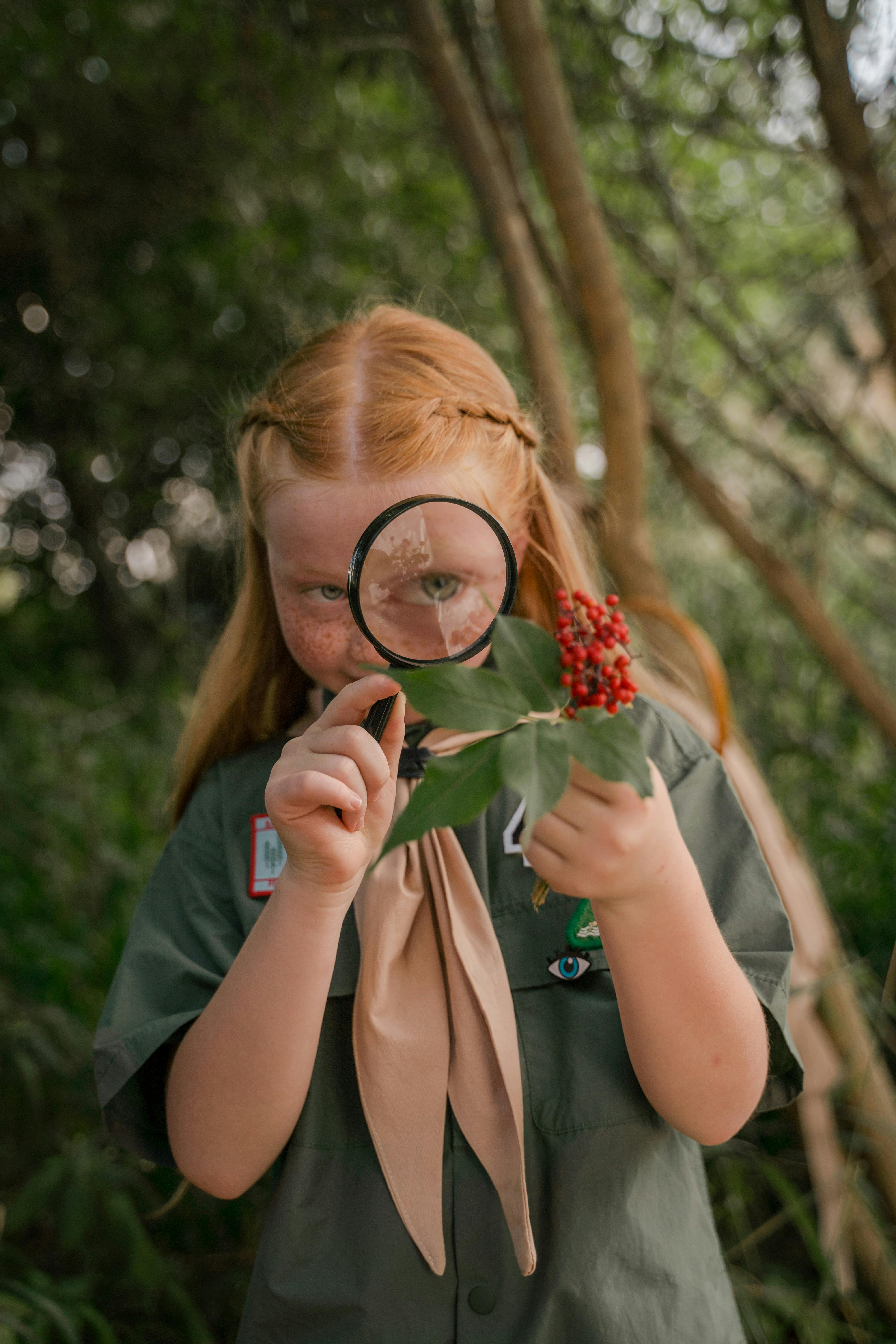
● Observation and Recording: Encourage children to draw or describe bugs, flowers, or clouds, building vocabulary and attention to detail.
● Problem-Solving: Balancing on logs, navigating trails, or constructing small forts develops spatial awareness and planning skills.
● Cause and Effect: Watering plants, observing worms in soil, or seeing how shadows move teach children about natural cycles and environmental changes.
Outdoor learning also fosters creativity. Loose parts in nature, such as sticks, stones, and leaves, become building materials for imaginative play, supporting storytelling, pretend play, and self-expression.
The Physical Benefits of Outdoor Learning
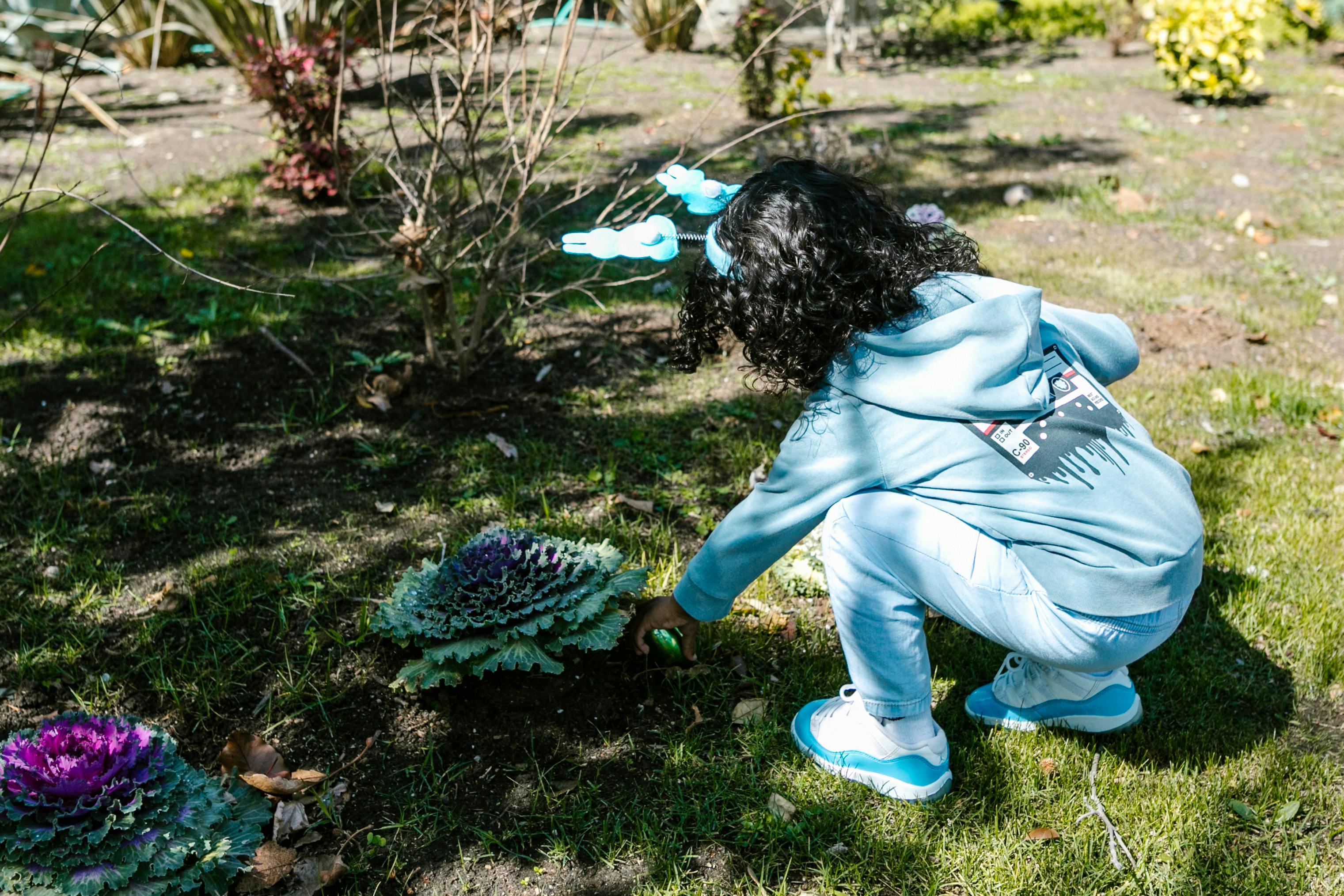
Beyond cognitive and creative gains, outdoor activity improves physical health. Running, jumping, climbing, and digging strengthen muscles, improve balance, and enhance gross motor skills. Sunlight provides essential vitamin D, which is critical for bone growth and immune function.
Outdoor learning supports emotional regulation, too. Nature reduces stress, lowers anxiety, and promotes mindfulness. Children who regularly play outside often display improved mood, better sleep, and more positive social interactions. For Harlingen families and educators, this means that outdoor classrooms are not just fun; they are vital for holistic development.
Making Outdoor Learning Part of Every Day
Incorporating outdoor learning for kids doesn’t require a large forest or specialized equipment. Educators and parents can create simple yet effective experiences:
1. Nature Walks: Explore parks, playgrounds, or school gardens. Ask children to notice colors, textures, and sounds.
2. Sensory Play: Use mud, sand, water, or leaves to stimulate tactile exploration.
3. Observation Journals: Encourage kids to draw or write what they see outdoors.
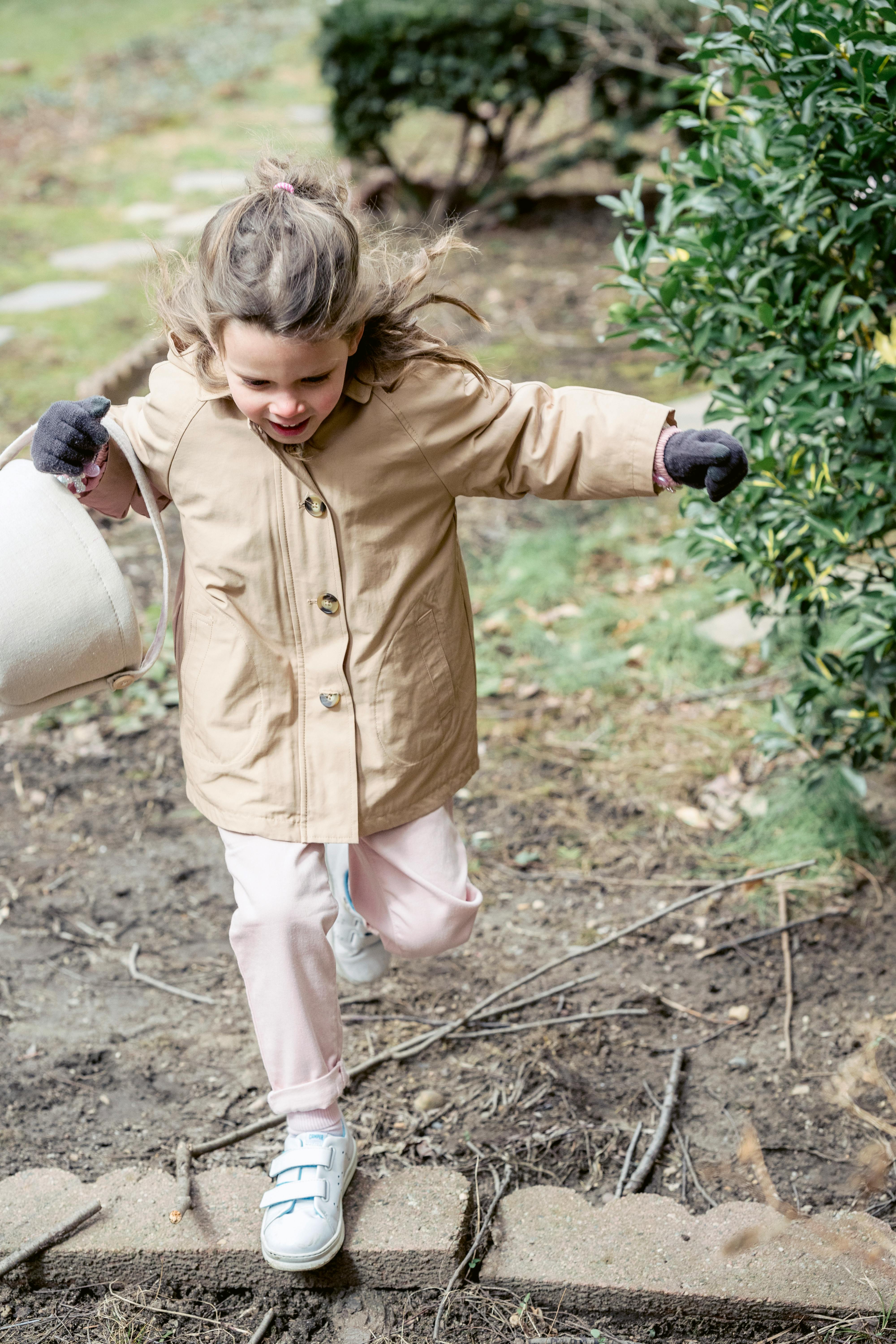
4. Scavenger Hunts: Give children prompts like “Find three things that are green” or “Spot a bug” to combine movement and learning.
5. Outdoor Storytime: Reading or storytelling outside enhances engagement and imagination, especially when paired with visual cues from the environment.
These activities foster collaboration, patience, and problem-solving skills while keeping children active and engaged.
Encouraging Curiosity and Environmental Stewardship
Outdoor learning teaches respect for the environment. Children learn about ecosystems, wildlife, and the importance of caring for living things. By observing plants, insects, and weather patterns, children develop a sense of responsibility and curiosity that can last a lifetime.
In Harlingen classrooms, integrating outdoor lessons helps children connect school-based learning with the world around them. Experiential learning, which includes touching, observing, and experimenting, reinforces concepts far better than passive instruction alone.
Learn with Joy at Magic Kingdom Learning Center
At Magic Kingdom Learning Center, with locations across Harlingen, TX, on Morgan Boulevard, Ball Street, and Throckmorton Street, we invite children from infancy through school age to explore the world around them. Our programs—infant, toddler, preschool, pre-kindergarten, and before/after-school care—integrate outdoor learning, play, and guided exploration to support curiosity, creativity, and physical development.
Each Harlingen center offers safe, engaging outdoor spaces where children can climb, dig, observe, and explore under the guidance of caring educators. Nature walks, sensory gardens, and outdoor activities are embedded into daily routines, helping children build confidence, social skills, and a love of learning.
Stop by one of our Harlingen locations, call, or register online today to discover how outdoor learning can turn every moment into an adventure and support your child’s growth, inside and out.
