
Learning Through Music: How Songs Help Preschoolers Learn

Learning Through Music: How Songs Help Preschoolers Learn

In every preschool classroom, music fills the air through rhymes, rhythms, or cheerful songs during circle time. But music isn’t just a backdrop to the daily routine. It’s a powerful, research backed tool that plays a key role in how young children grow, learn, and connect with the world around them. At Magic Kingdom Learning Center, we recognize the profound connection between music and early childhood development, and we incorporate musical activities into our curriculum to help young learners thrive.
The Brain on Music: Why Songs Matter in Early Learning
From a scientific perspective, music activates nearly every region of the developing brain. Neuroscientists have found that listening to and participating in music helps build neural connections that support language, memory, motor coordination, and emotional regulation. This is especially important in the preschool years, when the brain is most plastic, meaning it’s rapidly developing and forming new pathways based on experiences.
Engaging with music encourages children to process patterns, rhythms, and sequences. These foundational skills later support math reasoning, reading fluency, and even social problemsolving. The combination of melody and repetition is particularly effective in creating long-term memory associations. That’s why many children can recall songs from years ago but struggle to remember yesterday’s lessons.
Music as a Language Learning Too
One of the most powerful connections between music and early childhood development lies in language acquisition. Before children can speak fluently, they often sing or hum. Music provides a playful and structured way for them to explore sounds, syllables, and vocabulary.
Singing nursery rhymes like "Twinkle Twinkle Little Star" or "The Wheels on the Bus" allows children to practice articulation, improve their pronunciation, and expand their vocabulary. Because songs often involve repetition, they reinforce new words and phrases in ways that stick. For example, a preschooler may learn the days of the week faster through a simple song than through rote memorization. Rhythm and rhyme also make it easier for children to segment and blend phonemes—key skills in early literacy.
Additionally, when children sing together, they learn the rhythm of conversation, how to take turns, and how to modulate their voices. These are vital components of social communication, building the confidence needed to express oneself.
Music as a Language Learning Tool
One of the most powerful connections between music and early childhood development lies in language acquisition. Before children can speak fluently, they often sing or hum. Music provides a playful and structured way for them to explore sounds, syllables, and vocabulary. Singing nursery rhymes like "Twinkle Twinkle Little Star" or "The Wheels on the Bus" allows children to practice articulation, improve their pronunciation, and expand their vocabulary.
Because songs often involve repetition, they reinforce new words and phrases in ways that stick. For example, a preschooler may learn the days of the week faster through a simple song than through rote memorization. Rhythm and rhyme also make it easier for children to segment and blend phonemes—key skills in early literacy.
Additionally, when children sing together, they learn the rhythm of conversation, how to take turns, and how to modulate their voices. These are vital components of social communication, building the confidence needed to express oneself.
Building Memory and Cognitive Skills
The structure of music supports memory retention like no other educational tool. This is why alphabet songs, counting jingles, and rhyming chants are so effective in helping young learners internalize new information. Music creates cues that help the brain retrieve stored knowledge. Children often sing songs silently in their heads to recall what they’ve learned—whether it's numbers, letters, or classroom rules.
Repetition is key. When a child hears the same educational song regularly, they’re more likely to store that information in long-term memory. At Magic Kingdom Learning Center, we use music daily to reinforce academic concepts in a fun and natural way, helping children retain what they’ve learned without stress or pressure.
Social-Emotional Growth Through Music
Beyond cognitive and language development, the emotional connection children build through music is profound. Songs often express feelings that preschoolers may not yet know how to articulate. A sad melody can help a child identify the emotion of sadness, just as an upbeat tune can energize and motivate.
Singing and dancing together also nurtures a sense of community and belonging. Group music time encourages cooperation, active listening, and empathy. Children learn to wait for their turn, follow group instructions, and respect each other’s space—all of which are essential for emotional maturity and positive social interactions.
Incorporating music into transitions, such as cleaning up or moving between activities, can help ease anxiety and provide a sense of structure. This helps children feel secure and understand expectations in a way that feels gentle and engaging.
Motor Skills and Physical Development
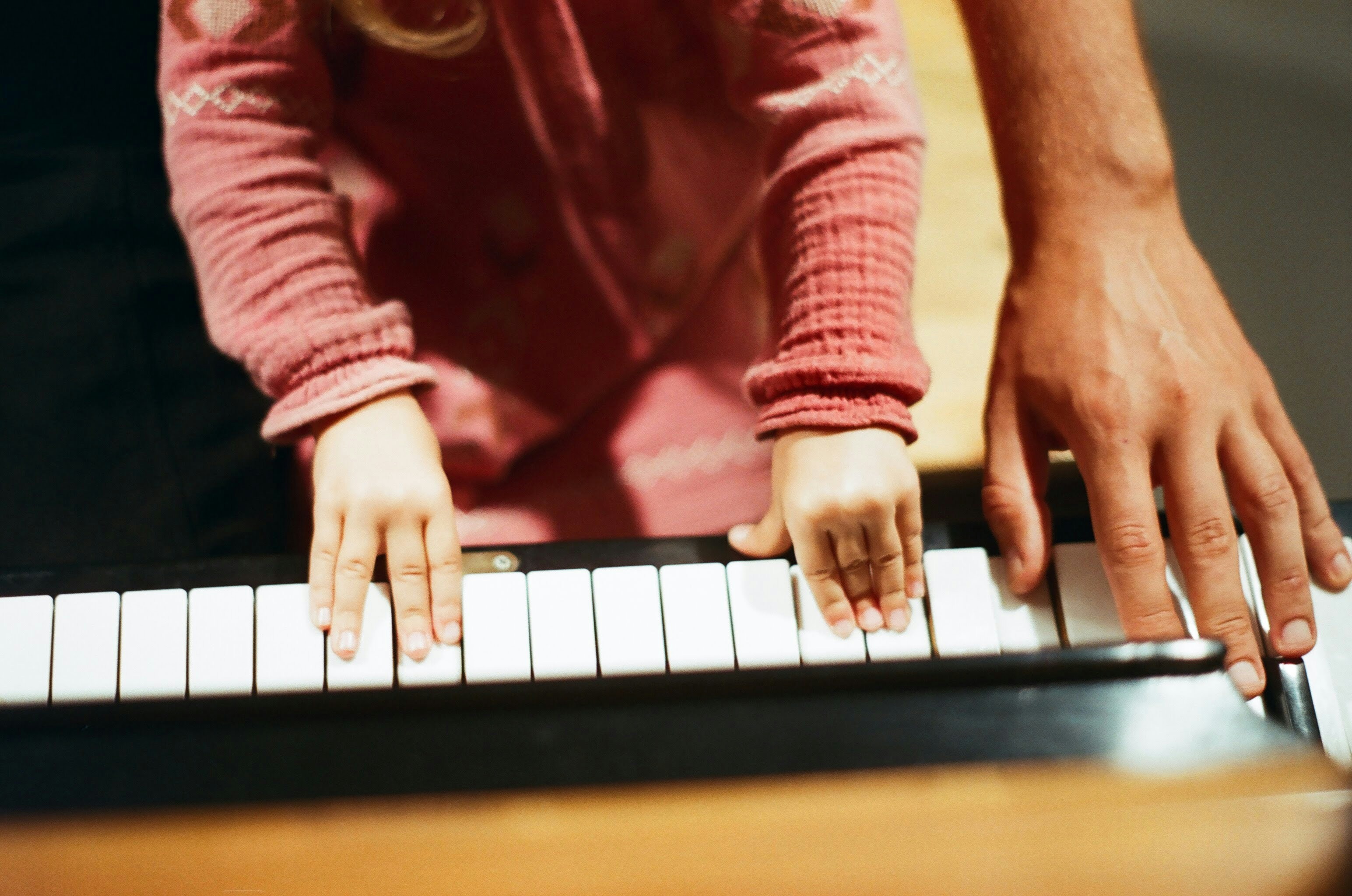
Music naturally inspires movement. Whether it’s clapping to a beat, jumping during a dance party, or playing rhythm instruments, children use their bodies to express themselves musically. These actions strengthen both fine and gross motor skills, improve coordination, and enhance spatial awareness.
For toddlers and preschoolers, these movements are more than fun—they’re essential for development. Activities like drumming or tapping out a rhythm also support bilateral coordination, where both sides of the body work together. This is a skill that later translates into tasks like writing, dressing, and tying shoes.
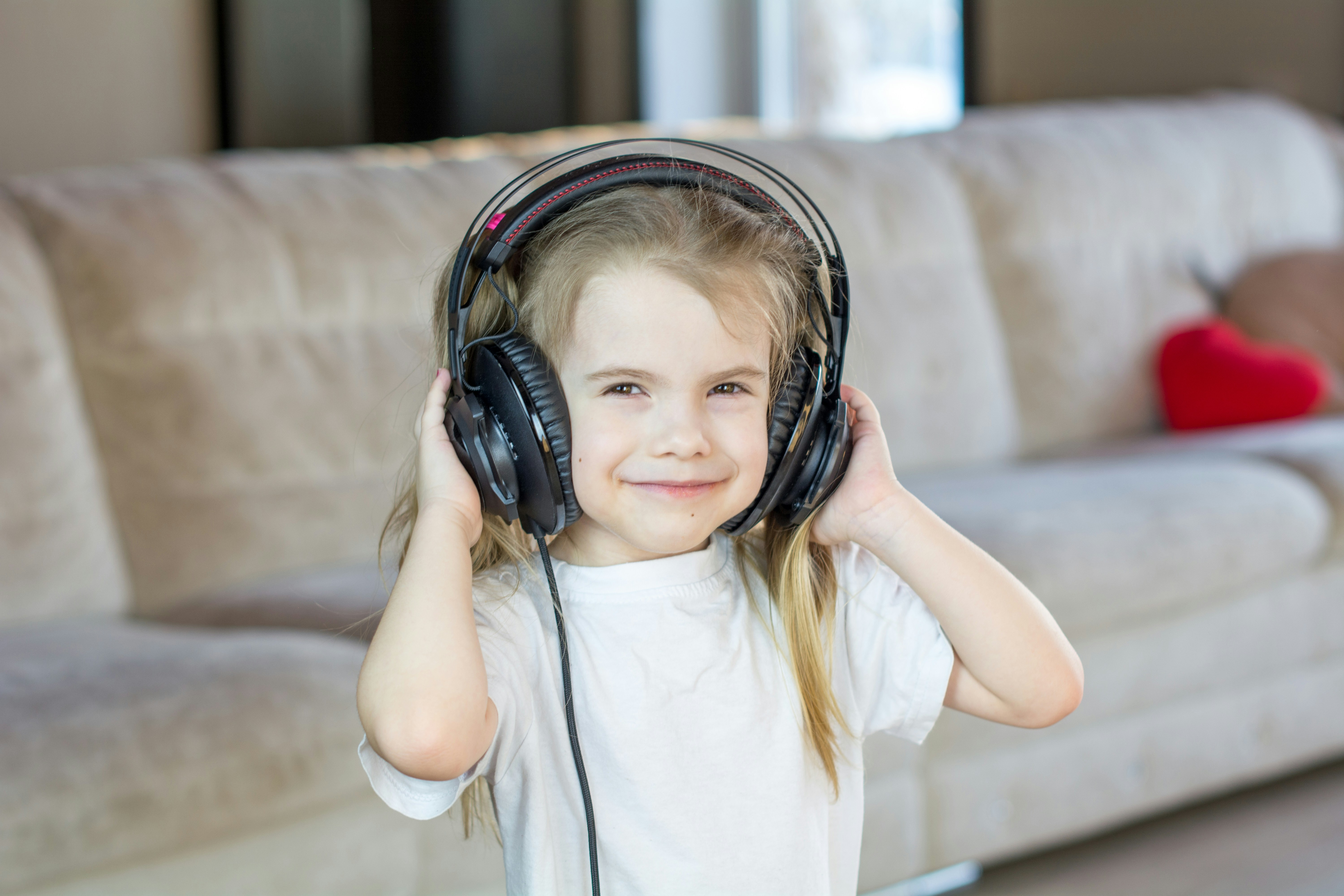
At Magic Kingdom Learning Center, we integrate music and movement daily, knowing that this blend of physical and auditory engagement accelerates healthy development in joyful, age appropriate ways.
Cultural Awareness and Creative Expression
Music introduces children to a world of cultures and experiences. Exposure to different musical styles—from lullabies in other languages to traditional rhythms from around the globe— broadens children’s perspectives. This fosters curiosity, inclusion, and an appreciation for diversity.
Children also use music as a creative outlet. Whether they’re making up their songs or improvising dance moves, they’re developing a sense of identity and self-expression. Creativity is not just about the arts—it’s directly linked to problem-solving, flexible thinking, and innovation.
The freedom to express emotions through song and dance builds confidence. When a child is encouraged to be silly with a rhyme or lead a group in singing, they’re developing leadership skills, emotional intelligence, and a lifelong appreciation for learning.
Creating a Music-Rich Environment at Magic Kingdom Learning Center
At Magic Kingdom Learning Center, our classrooms are filled with songs, rhythms, and joyful noise. Our educators are trained to use music intentionally, not just as entertainment, but as a learning strategy rooted in child development theory. Whether it's during circle time, storytime, or free play, we incorporate music in ways that feel organic and fun for every child.
We use age-appropriate musical instruments, rhythm games, sing-alongs, and dance activities to stimulate engagement. We align our songs with current themes, academic goals, and developmental milestones to ensure that music supports every aspect of our curriculum.
Our belief in the strong link between music and early childhood development is grounded in both research and decades of hands-on experience. We've seen how children who engage with music daily demonstrate stronger language skills, greater emotional resilience, and a deeper enthusiasm for learning.
The Lasting Impact of Music on Young Minds
What begins as a song in preschool can echo into a child’s future. The cognitive, emotional, and social benefits of early music exposure set the stage for academic success and personal growth. Music helps children learn how to listen, communicate, and connect—skills that are vital in school and life.
When children develop a love for music early on, they carry that joy into their relationships, their learning environments, and even their future careers. Whether they become musicians or hum tunes during stressful moments, music becomes a lifelong companion.
Let Your Child Learn Through Music at Magic Kingdom Learning Center
If you're looking for a preschool that goes beyond worksheets and embraces the whole child, explore how music and early childhood development come to life at Magic Kingdom Learning Center. Our dynamic, music-rich environment helps children thrive academically, socially, and emotionally—all while having fun.
Visit Magic Kingdom Learning Center today to learn more about our programs and see how our passion for music creates confident, joyful learners every day.
