How Preschool Routines Build Lifelong Discipline

How Preschool Routines Build Lifelong Discipline

Young children thrive in environments that provide structure, predictability, and guidance. While creativity and exploration play an essential role in early education, consistency also shapes how children learn to manage their behavior and emotions. One of the most powerful tools educators use to support early development is a well-designed preschool daily routine.
From arrival time to playtime and learning activities, a predictable schedule helps children understand expectations and feel secure in their environment. These routines do much more than organize the day. They teach children how to manage time, build responsibility, and develop the discipline needed for future academic and personal success.
In high-quality early learning environments, a preschool daily routine becomes the foundation for independence, emotional stability, and strong learning habits.
Why Structure Matters in Early Childhood
Children experience the world differently from adults. Their brains are still developing the ability to regulate emotions, anticipate events, and control impulses. Without structure, their environment may feel unpredictable or overwhelming.
A consistent preschool daily routine helps children understand what happens next throughout the day. This sense of predictability reduces anxiety and allows children to focus their energy on learning, playing, and socializing.
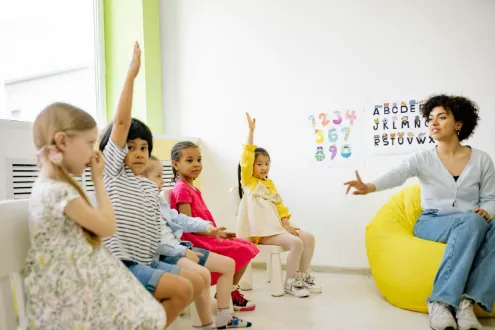
When children know that circle time follows arrival or that outdoor play comes after snack time, they begin to internalize patterns. Over time, these patterns help children develop self-discipline. They learn to transition from one activity to another without frustration or confusion.
Structure does not limit creativity. Instead, it creates a stable environment where curiosity and exploration can flourish.

Teaching Time Awareness Through Daily Routines
Time management may seem like an adult concept, but children begin learning about time much earlier than many people realize. A well-planned preschool daily routine introduces children to the rhythm of the day.
For example, children learn that certain activities happen at specific times. Morning greetings, story time, snack breaks, and outdoor play all occur in predictable sequences. These experiences teach children to recognize patterns and anticipate upcoming events.
This early sense of time awareness becomes valuable as children grow. They begin to understand waiting, preparing for transitions, and completing tasks within a given timeframe.
These lessons may appear simple, but they create the foundation for later skills such as managing homework, meeting deadlines, and organizing daily responsibilities.
Building Responsibility Through Simple Tasks
Responsibility does not develop overnight. It grows gradually through small, meaningful experiences. Within a structured preschool daily routine, children participate in activities that encourage ownership and accountability.
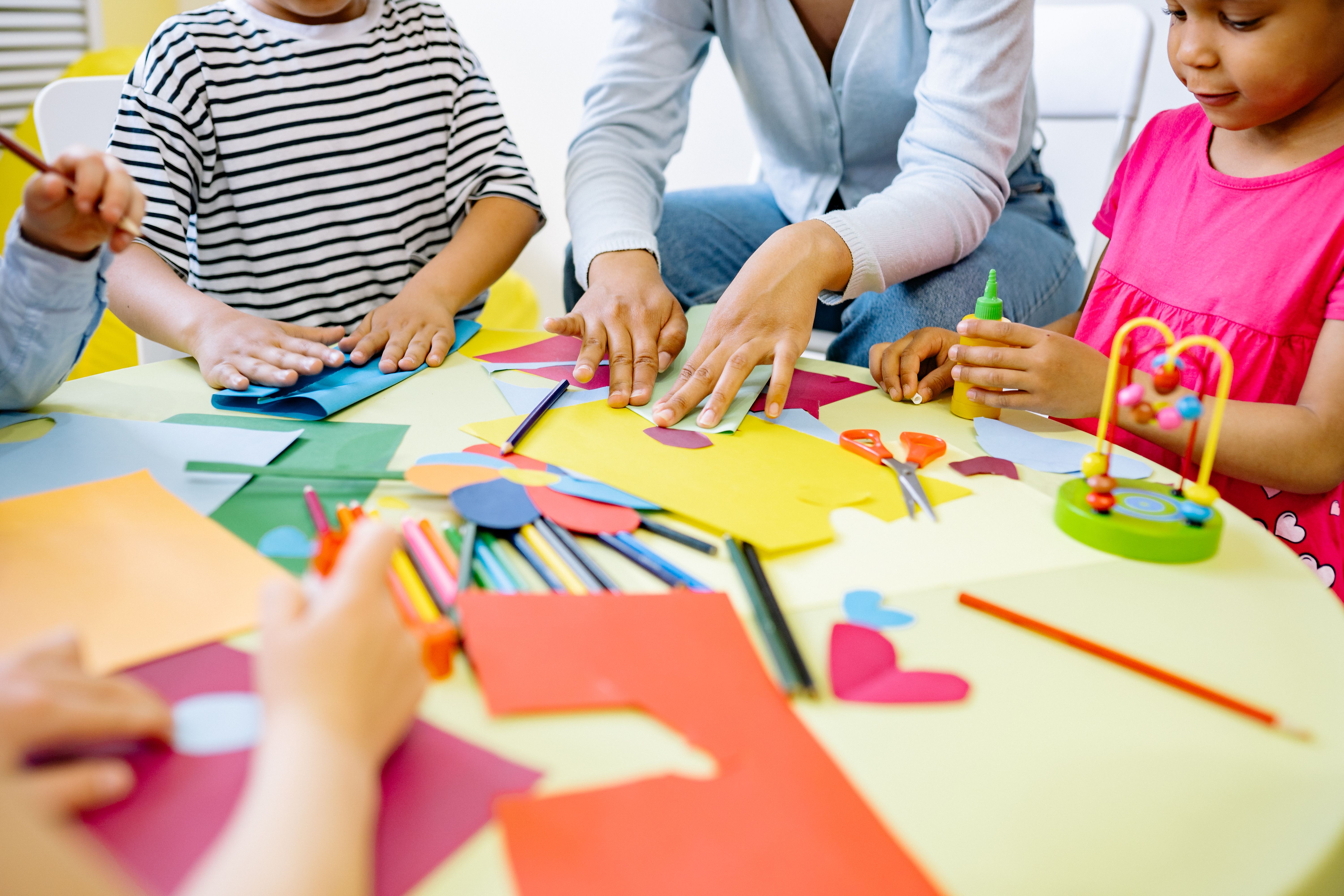
Children may help clean up toys after playtime, place their belongings in designated spaces, or participate in classroom jobs such as handing out materials. These simple actions help children understand that they play an active role in their environment.
When children consistently practice these tasks, they begin to take pride in contributing to the classroom community. This sense of responsibility strengthens confidence and independence.
Over time, the habits learned through a preschool daily routine carry into other areas of life. Children begin to understand that their actions have consequences and that their contributions matter.

Emotional Security Through Predictable Structure
Young children often experience big emotions that they do not yet know how to manage. A predictable environment helps them feel safe and supported as they navigate these feelings.
A consistent preschool daily routine creates emotional stability because children know what to expect. When the day follows a familiar pattern, children feel more comfortable exploring new activities and interacting with peers.
Teachers also use routines to support emotional regulation. Calm transitions, structured group activities, and designated quiet times allow children to reset and refocus when needed.
This emotional security allows children to build resilience. They learn that even when challenges arise, the environment around them remains stable and supportive.
Encouraging Independence Through Routine
Independence is one of the most important goals of early childhood education. Children who feel capable of managing their own tasks develop confidence that supports lifelong learning.
Within a structured preschool daily routine, children gradually take responsibility for their own actions. They learn to follow directions, prepare for activities, and complete small tasks independently.
For example, children may learn to wash their hands before meals, gather materials for art projects, or transition between activities without constant reminders. Each of these small steps strengthens self-reliance.
Teachers guide children patiently during this process. They provide support when needed and gradually encourage children to take more initiative.
This balance between guidance and independence helps children develop discipline naturally rather than through strict rules or pressure.
Improving Focus and Attention
Attention spans develop gradually during early childhood. Without structure, young children may struggle to stay engaged in activities for extended periods.
A consistent preschool daily routine helps children build focus because activities follow a predictable flow. When children understand the rhythm of the day, they can transition smoothly between tasks and remain engaged in learning experiences.
Teachers also design routines that balance different types of activities. Quiet learning sessions may alternate with movement, creative play, and outdoor exploration. This variety keeps children mentally stimulated while reinforcing structure.
As children grow familiar with the routine, they begin to approach activities with greater concentration and confidence.
Learning Discipline Through Positive Guidance
Discipline in early childhood does not mean punishment or strict control. Instead, it involves guiding children toward positive behavior and self-regulation.
Within a preschool daily routine, children learn expectations through repetition and modeling. Teachers demonstrate respectful communication, patience, and cooperation throughout the day.
Children observe these behaviors and gradually adopt them in their own interactions. They learn to wait their turn, listen during group discussions, and respect shared spaces.
This approach builds internal discipline rather than external compliance. Children begin to regulate their own behavior because they understand how their actions affect others.
Preparing Children for Future Academic Success
The habits children develop during the preschool years influence their future educational experiences. A structured preschool daily routine prepares children for the expectations they will encounter in kindergarten and beyond.
Children who feel comfortable following routines transition more easily into structured school environments. They understand how to follow instructions, participate in group learning, and manage transitions throughout the day.
More importantly, they develop the confidence to approach new challenges with curiosity and determination.
These early experiences create the foundation for lifelong learning, organization, and personal responsibility.
Why Preschool Routines Matter More Than Ever
In today’s fast-paced world, children often encounter changing schedules and busy family routines. Preschool provides an environment where consistency and structure support healthy development.
A thoughtfully designed preschool daily routine helps children feel secure while encouraging exploration, creativity, and social growth. It provides a balanced framework where children can learn essential life skills while enjoying the wonder of early childhood.
By guiding children through predictable daily experiences, educators help them develop discipline, confidence, and independence that extend far beyond the classroom.
Supporting Your Child’s Growth at Magic Kingdom Learning Center
At Magic Kingdom Learning Center, we understand that a structured environment plays a vital role in early childhood development. Our carefully designed preschool daily routine helps children build discipline, independence, and emotional confidence while enjoying engaging learning experiences.
Our experienced educators create a nurturing atmosphere where children feel safe, supported, and excited to learn each day. Through balanced routines, creative activities, and meaningful interactions, we help children develop the habits and skills that prepare them for lifelong success.
If you want your child to grow in a supportive environment that encourages confidence, responsibility, and curiosity, we invite you to explore Magic Kingdom Learning Center.
Contact Magic Kingdom Learning Center today to learn more about our programs and see how our preschool routine helps children thrive every day.
