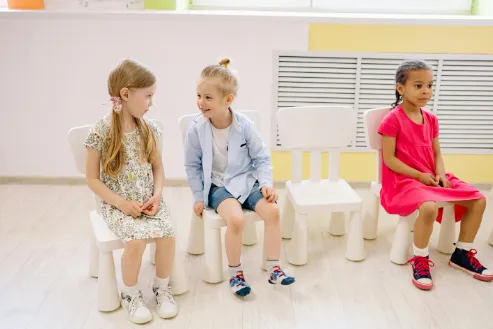
Helping Preschoolers Adapt to Change and New Environments

Helping Preschoolers Adapt to Change and
New Environments

Change can feel overwhelming for young children. A new classroom, unfamiliar faces, different routines, and time away from home all create big emotions in small bodies. Yet these early experiences also create powerful opportunities for growth. When children learn how to manage transitions and adjust to new surroundings, they develop resilience that lasts far beyond the preschool years.
At its core, adapting to preschool is not just about separating from parents or following a new schedule. It is about building emotional strength, learning flexibility, and discovering that change can feel safe and manageable. High-quality preschool programs understand this deeply and intentionally support children through every stage of adjustment.
Why Change Feels Big for Little Learners
Preschoolers thrive on predictability. Familiar routines help them feel secure. When something changes, even something positive, their brains and bodies respond quickly. You may see clinginess, hesitation, frustration, or even tears. These reactions are normal. They reflect a developing nervous system that is still learning how to regulate emotions.
The good news is that children are incredibly adaptable. With consistent guidance, reassurance, and structure, they learn to handle change with growing confidence. The process of adapting to preschool teaches them that new experiences do not have to feel scary. Instead, they can become exciting opportunities to explore and grow.

Building Predictable Routines That Create Security
One of the most effective ways preschool programs support children is through consistent routines. Daily schedules that include arrival time, circle time, snack, outdoor play, and quiet activities give children a sense of order. When children know what comes next, they feel more secure.
Teachers often use visual schedules, songs, and clear transitions to guide children through the day. These tools reduce anxiety because they remove uncertainty. Over time, children internalize these patterns and begin to anticipate what happens next. This steady structure makes adapting to preschool smoother and less stressful.
Consistency does not eliminate change. Instead, it provides a stable foundation that allows children to manage change confidently.

Emotional Coaching in Everyday Moments
Adaptability grows when children learn to identify and manage their feelings. Skilled educators guide children through emotional experiences rather than dismissing them. When a child feels nervous about joining a group activity, a teacher might say, “I see you feel unsure. Let’s try together.”
This approach validates emotions while offering support. Children learn that feelings are manageable. They also learn coping strategies such as deep breathing, asking for help, or observing before participating.
Through this emotional coaching, adapting to preschool becomes an opportunity to build resilience. Children discover that they can move through discomfort and come out stronger on the other side.
Encouraging Gradual Independence
Independence plays a key role in helping children adjust to new environments. Simple responsibilities such as hanging up a backpack, choosing an activity, or cleaning up toys help children feel capable. Each small success builds confidence.
When children feel competent, they approach new situations with greater courage. They learn to trust themselves. This trust directly supports adapting to preschool, because children begin to believe they can handle unfamiliar experiences.
Teachers guide independence carefully. They offer support when needed and step back when children are ready. This balance builds emotional strength without overwhelming young learners.

Supporting Healthy Peer Connections
New environments also mean new relationships. Learning to interact with classmates requires flexibility and patience. Preschool provides daily opportunities to practice sharing, cooperating, and resolving small conflicts.
At first, children may feel unsure about approaching peers. Teachers model positive communication and encourage collaborative play. Over time, friendships form. These connections provide comfort and belonging.
When children feel connected to their peers, adapting to preschool becomes much easier. A friendly face or shared laugh can quickly replace hesitation with excitement.
Normalizing Transitions Throughout the Day
Transitions happen constantly in preschool. Moving from playtime to clean-up, from indoor activities to outdoor exploration, or from group time to quiet reading all require adjustment. Educators intentionally design these moments as learning opportunities.
Songs, countdowns, and gentle reminders prepare children for upcoming changes. Teachers explain what will happen next and why. By practicing daily transitions in a supportive environment, children strengthen their flexibility.
These small, repeated experiences of adjustment build the larger skill of adapting to preschool. Children learn that change does not mean chaos. It simply means moving from one meaningful experience to another.
Helping Children Manage Separation
For many families, separation at drop-off feels like the biggest hurdle. It can be emotional for both parents and children. Preschool programs ease this process through consistency and reassurance.
A calm goodbye routine helps children feel secure. Teachers greet each child warmly and redirect attention toward engaging activities. Within minutes, many children shift from tears to exploration.
Over time, children internalize the understanding that caregivers always return. This trust forms the foundation of resilience. Through repeated experiences, adapting to preschool becomes less about separation anxiety and more about growing confidence.
Encouraging Curiosity in New Environments
Adaptability increases when children feel curious instead of fearful. Early learning centers create inviting classrooms filled with hands-on materials, art supplies, books, and sensory experiences. When children focus on exploration, anxiety decreases.
Curiosity shifts the brain into learning mode. Instead of dwelling on uncertainty, children begin asking questions and experimenting. This shift transforms adapting to preschool into an adventure rather than an obstacle.
Teachers encourage curiosity by asking open-ended questions and celebrating effort. They guide children to see new experiences as opportunities rather than threats.
Partnering with Families for a Smooth Transition
Successful adaptation does not happen in isolation. Strong communication between teachers and families strengthens the process. Educators share updates about progress, offer reassurance, and provide strategies families can use at home.
When children sense consistency between school and home, they feel safer. Familiar routines, positive language, and encouragement reinforce the lessons learned in class.
This partnership ensures that adapting to preschool becomes a shared journey. Families and teachers work together to support emotional growth and resilience.
Helping Your Child Thrive at Magic Kingdom Learning Center
At Magic Kingdom Learning Center, we understand that change can feel big for little learners. Our nurturing environment, structured routines, and experienced educators guide children through every step of adapting to preschool with care and encouragement. We create safe spaces where curiosity replaces fear, friendships replace hesitation, and resilience grows every day.
If you are preparing your child for preschool or supporting them through a transition, we invite you to discover how our programs foster confidence, adaptability, and emotional strength.
Schedule a visit with Magic Kingdom Learning Center today and see how we help children not only adjust—but truly thrive.
